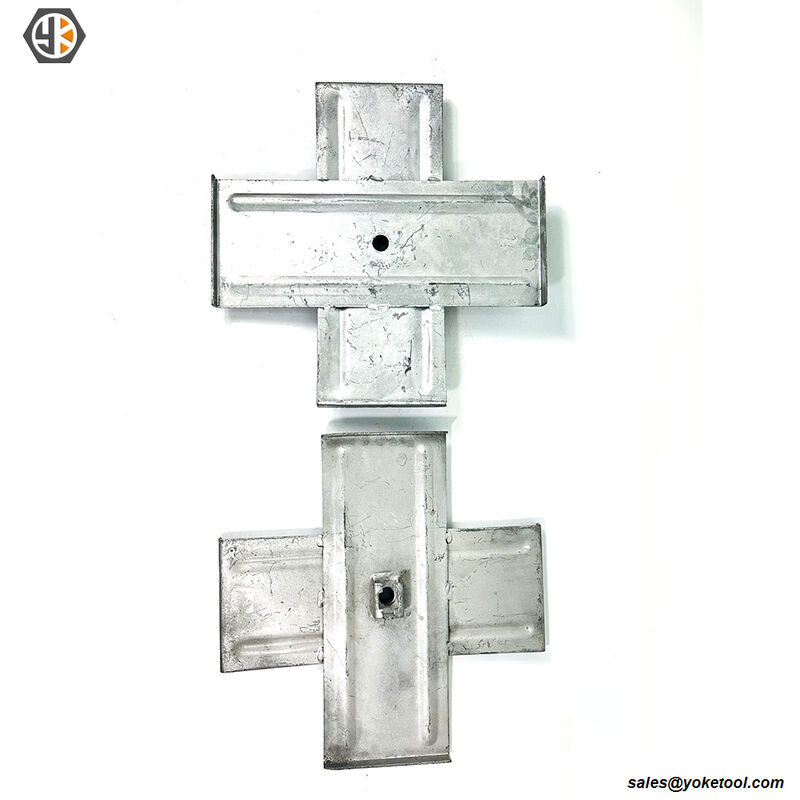
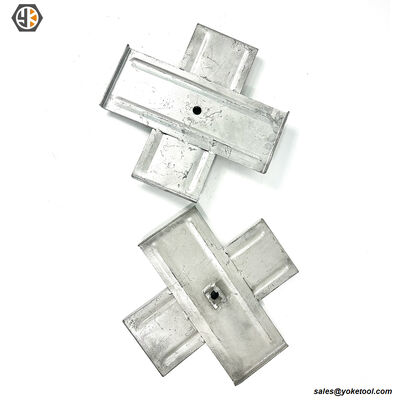
Крос-Плэйд-Анкер Yokelink предназначен для тяжелой эксплуатации воздушных линий, где требуется экстремальное сопротивление.Эта якорь использует огромную площадь поверхности для распределения напряжения нагрузки против неуклонной почвы столб над ним.
Структурная целостность без движущихся частей:
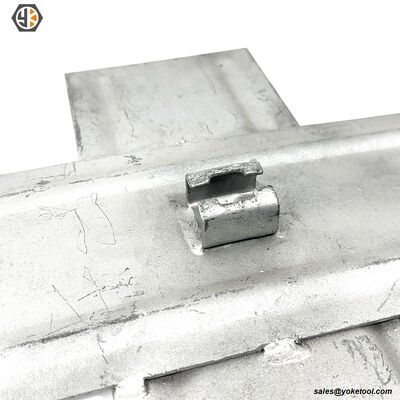
Сформированная из двух тяжелых конструктивных стальных плит, конструкция креста обеспечивает исключительную жесткость и прочность без механического расширения или движущихся частей.Специально спроектированный диагональный отверстий позволяет легко скользить на месте кованой якорной стержниЭто гарантирует, что груз будет тянуться непосредственно к центру обширной подшипной поверхности якоря.
Чтобы выдержать высоко коррозионные подземные среды, крестовые анкеры Yokelink покрыты коррозионно-ингибирующей асфальтовой краской или полностью горячим оцинкованным по ASTM A153.
Ключевые технические характеристики крестовой земной якорь
Конструкция: скрещенные стальные плиты обеспечивают огромную площадь подшипниковой поверхности.
Надежность: твердая конструкция с нулевым количеством движущихся частей, чтобы не потерпеть неудачу под землей.
Сборка: встроенный диагональный слот для быстрого и безопасного крепления якорного стержня.
Установка: предназначена для установки в стандартных отверстиях с отверстиями размером 16", 20" или 24".
Покрытие: асфальтобетон или горячее оцинкованное для долговечности.
Процесс производства земляного якоря с перекрестной пластиной
Перекрестные земляные якори изготавливаются из высокопрочной стальной плиты и стального стержня.
Резание и формование: стальная плита разрезается и прессуется в подшипниковые пластины крестовой формы.
Сварка: поперечная плита прочно сварлена с центральным якорным стержнем для обеспечения прочной целостности.
Выпрямление и нанесение нитей: Стержень выпрямляется, а в конце нитей прокатываются.
Поверхностная обработка: вся сборка оцинкована горячим оцинкованием по ASTM A153 для защиты от коррозии.

Оборудование Yokelink для контроля качества и испытаний
Мы не просто ссылаемся на стандарты, мы также проверяем их на практике:каждая партия продукции проходит разрушительное испытание на прочность в нашей внутренней лаборатории, чтобы гарантировать, что производительность нагрузки превышает минимальные требования IEEE C135.2 или спецификации CSA; мы используем оптические сравнители для обеспечения геометрической точности раскованных концов и прокаченных нитей, что позволяет удобную установку на месте; в то же время,Мы проводим всесторонние испытания на твердость Роквелла., толщина покрытия и другие параметры, и каждая поставка сопровождается оригинальными характеристиками материалов производителя (MTR) и отчетами о проверке качества,со всеми данными, относящимися к номеру печи сырья.
Применение крестовых земляных якорей
Земляные якори с перекрестными пластинами широко используются в воздушных линиях передачи и распределения для подземных якорных систем и систем стабилизации полюсов.Они обеспечивают высокое сопротивление вытягиванию в почве с помощью большой перекрестной пластинки подшипникаОни оцинкованы в соответствии с ASTM A153 и отличаются отличной коррозионной стойкостью для длительного использования на открытом воздухе.Соответствует стандарту IEEE C135.1 и стандартов ANSI C135.90, они надежны, долговечны и подходят для различных условий почвы в проектах электропередач.
Отчет о проверке качества продукции Yokelink
Мы предоставляем всеобъемлющие услуги по проверке болтов машин, включая испытательные болты SGS и официальный отчет об инспекции производственных деталей (PPIR).Испытания SGS проверяют соответствие болтов международным стандартам, таким как ASTM A307 и IEEE C135.80PPIR подробно описывает все пункты проверки, гарантируя, что каждый болт машины отвечает требованиям измерений, производительности и качества,обеспечение надежного обеспечения качества для воздушных линий и промышленных приложений.
Технические спецификацииКроссоплата земляная якорь
| Часть No. |
Дверь для якоря |
Размер стержня |
Площадь |
Вес |
| Дюйм |
Дюйм |
Квадрат. |
Килограмм / шт. |
| Е0416 |
16 |
5/8 или 3/4 |
150 |
4.50 |
| Е0420 |
20 |
5/8 или 3/4 |
250 |
7.20 |
Перекрестная ссылка (промышленные эквиваленты):
| Дверь для якоря |
Часть No. |
ХУББЕЛЛ |
Маклейн |
| Дюйм |
| 16 |
Е0416 |
X16 |
J3516 |
| 20 |
Е0420 |
X20 |
J3520 |
(Примечание: номера деталей производителя предназначены только для справки. Продукты Yokelink взаимозаменяемы на основе стандартов IEEE.)
Часто задаваемые вопросы (FAQ)
Вопрос 1: Каково основное преимущество крестового якоря над расширяющимся якорем?
А:Основное преимущество - это надежность при экстремальных нагрузках.Он полагается исключительно на его массивные, фиксированная площадь поверхности (до 400 квадратных дюймов) для распределения напряженной нагрузки против заземленной земли, предлагая исключительную и предсказуемую прочность.
Вопрос 2: Как прикрепить якорный стержень к крестовому якорю?
А:При установке просто закручивают орех на дно капли.Анкерный стерженьПосле натяжения орех закрепляется на месте.
Вопрос 3: Как устанавливается крестовое якорь в земле?
А:По углу провода в землю пробивается отверстие большого диаметра (например, 16", 20" или 24").Собранные якорь и стержень опускаются на дно отверстияНаконец, отверстие тщательно заполняется и механически забивается слоями, чтобы восстановить плотность почвы над якорными пластинами.
Вопрос 4: Какой тип почвы лучше всего подходит для крестового якоря?
А:Кроссоплата якорь выполняет исключительно хорошо в бедных, свободных,или болотистые почвы (например, почвенные классы 6 и 7), где стандартные расширяющиеся якори могут не расширяться должным образом или не иметь твердой земли для укуса.Поскольку перекрестная плита зависит от своей массивной, фиксированной площади поверхности и веса тщательно заполненной задней заправки над ней,гарантирует надежную пропускную способность даже при менее чем идеальных наземных условиях.
Вопрос 5: Должен ли я выбирать крестовые якори с асфальтовой краской или горячим оцинкованным (HDG)?
А:Это зависит от коррозионности почвы и ожидаемого срока службы линии электропередач.асфальтовая краскапокрытие является стандартной промышленной практикой, обеспечивающей отличное торможение ржавчины для большинства нормальных условий почвы по очень экономически эффективной цене.если якорь устанавливается в очень агрессивных условиях, кислые, щелочные или прибрежные почвы, выбираяГоряче оцинкованный (HDG)ASTM A153 обеспечивает максимальную долгосрочную защиту от коррозии, чтобы обеспечить десятилетия структурной целостности под землей.
Услуги по цепочке поставок с добавленной стоимостью
1Общий заказ и свободное хранение
Йокелинк предлагает программы "Заказ на одеяла": разместите ежегодный заказ, чтобы зафиксировать цены, мы производим ваш общий объем и храним запасы в нашем заводе бесплатно. Разделенные поставки: планируйте частичные поставки (например, ежемесячные или ежеквартальные) в зависимости от прогресса вашего проекта.
2. DDP Shipping (включая пошлины США) Landed Cost Certainty: мы занимаемся сложной логистикой.DDP (доставленные пошлины, оплаченные)Цена, которую мы предлагаем, является окончательной ценой доставки на вашу дверь / склад.
3Бесплатная программа выборки
Мы предлагаем Бесплатные образцы для квалифицированных коммерческих покупателей для тестирования и одобрения.
Справочная информация:
Трехглазые якорные палочки: окончательное руководство для парня